psilocybin mushroom  therapy

Psilocybin for Mental Health: What the Research Says in 2025

The landscape of mental health treatment is experiencing a revolutionary shift, and psilocybin for mental health: what the research says in 2025 reveals unprecedented promise for millions struggling with treatment-resistant conditions. 

As we navigate through 2025, breakthrough clinical trials and emerging regulatory frameworks are positioning this psychedelic compound as a potential game-changer in psychiatric medicine, offering hope where traditional treatments have fallen short.

Key Takeaways

  • Why it matters (2025): With ~30–40% of patients not helped by standard meds, psilocybin-assisted therapy is showing rapid, durable relief across depression, anxiety, and end-of-life distress—often after 1–2 guided sessions plus integration.

  • How it works: By agonizing 5-HT2A receptors, psilocybin boosts BDNF, dendritic growth, and cross-network connectivity while quieting the default mode network, supporting neuroplastic “resets” that can last months.

  • Best-supported use so far: Treatment-resistant depression (Phase 3 programs underway) with reports of fast onset (24–48h), 3–6-month durability, and reduced suicidal ideation when paired with structured psychotherapy.

  • Other indications in play: Expanding evidence for GAD, social anxiety, end-of-life anxiety, and early work in PTSD populations (veterans, first responders, trauma survivors).

  • Microdosing reality check: First controlled trials in 2025 show modest, not dramatic, benefits (mood/creativity); effects appear smaller than anecdotal reports.

  • Safety depends on context: In clinical settings with screening, prep, and integration, psilocybin shows a favorable safety profile. Key contraindications include psychosis risk, certain cardiac issues, pregnancy/breastfeeding, and some meds (e.g., MAOIs).

  • Set, setting, and support: Outcomes hinge on therapeutic preparation, supervised dosing, and integration; most adverse events arise in unsupervised/recreational use.

  • Legal status (2025): U.S. FDA Breakthrough Therapy designations, state programs (e.g., Oregon; activity in CO/CA/WA), city-level decriminalization, and expanding access in Canada, Australia, parts of the EU, but laws vary widely.

  • What’s next: Scaling requires trained facilitators, equitable access, long-term safety data, and patient-matching to know who benefits most.

The Current Mental Health Crisis and Psilocybin’s Emergence

The global mental health crisis has reached alarming proportions, with over 970 million people worldwide living with mental health disorders. Traditional antidepressants and anxiolytics, while beneficial for some, leave approximately 30-40% of patients with treatment-resistant conditions. This therapeutic gap has sparked intense scientific interest in psilocybin mushroom  therapy as an alternative approach.

Psilocybin, the active compound found in certain mushroom species, works fundamentally differently from conventional psychiatric medications. Rather than requiring daily dosing to maintain neurotransmitter levels, psilocybin appears to create lasting neuroplastic changes through brief, supervised therapeutic sessions.

How Psilocybin Transforms the Brain

Recent neuroimaging studies reveal that psilocybin promotes remarkable neuroplasticity by binding to serotonin 2A receptors in the brain. This interaction triggers a cascade of molecular events that:

  • Increases BDNF (brain-derived neurotrophic factor) production
  • Promotes dendritic spine growth and synaptic connections
  • Temporarily reduces activity in the default mode network
  • Enhances neural connectivity between previously disconnected brain regions

Dr. Robin Carhart-Harris’s research at Imperial College London demonstrates that these neurobiological changes can persist for months following a single therapeutic session, explaining why psilocybin’s effects differ dramatically from traditional medications.

Breakthrough Depression Research in 2025

The most compelling evidence for psilocybin’s therapeutic potential comes from depression research. COMPASS Pathways’ Phase 3 clinical trials, expected to conclude in late 2025, are investigating psilocybin for treatment-resistant depression across multiple international sites.

Key Depression Study Findings:

  • Rapid onset: Significant improvement often occurs within 24-48 hours
  • Sustained effects: Benefits frequently lasting 3-6 months from single sessions
  • High remission rates: Some studies showing 50-75% remission rates in treatment-resistant cases
  • Reduced suicide ideation: Marked decreases in suicidal thoughts within weeks

Johns Hopkins Medicine’s ongoing research suggests that two psilocybin sessions, combined with psychological support, may be as effective as daily antidepressant use for major depressive disorder, but without the common side effects of sexual dysfunction, weight gain, or emotional numbing.

Anxiety Disorders: Promising New Frontiers

Psilocybin research for anxiety has expanded significantly beyond end-of-life distress studies. Current 2025 investigations include:

Generalized Anxiety Disorder: Early-phase trials at NYU Langone suggest psilocybin therapy may provide lasting anxiety relief by helping patients develop new perspectives on worry patterns and catastrophic thinking.

Social Anxiety: Preliminary research indicates that psilocybin’s ability to temporarily dissolve ego boundaries may help individuals overcome deep-seated social fears and develop greater self-compassion.

End-of-Life Anxiety: Continued research confirms psilocybin’s remarkable ability to reduce existential distress in terminally ill patients, with effects often lasting until death.

psilocybin mushroom 

PTSD Treatment: An Evolving Research Area

While MDMA has received more attention for PTSD treatment, psilocybin research is gaining momentum. The compound’s unique ability to promote emotional processing while reducing fear response makes it particularly intriguing for trauma-related conditions.

Current PTSD research focuses on:

  • Combat veterans with treatment-resistant PTSD
  • Childhood trauma survivors
  • First responders with occupational trauma
  • Sexual assault survivors

The Microdosing Question: Separating Hype from Science

Microdosing psilocybin, taking sub-perceptual doses every few days, has gained massive popularity, but rigorous scientific evidence remains limited. However, 2025 has brought the first controlled studies examining microdosing for mental health.

The Imperial College London Microdosing Study, launched in early 2025, uses a novel approach comparing genuine psilocybin microdoses with active placebos to overcome expectation bias. Preliminary results suggest modest improvements in mood and creativity, though effects appear less dramatic than anecdotal reports suggest.

Safety Profile and Risk Considerations

Psilocybin therapy demonstrates a remarkably favorable safety profile when administered in controlled clinical settings. However, important considerations include:

Contraindications:

  • Personal or family history of psychosis
  • Severe cardiovascular disease
  • Taking MAOIs or certain psychiatric medications
  • Pregnancy or breastfeeding

Potential Adverse Effects:

  • Temporary anxiety or challenging experiences during sessions
  • Mild headaches or fatigue
  • Risk of psychological distress if not properly supported
  • Possible triggering of underlying mental health vulnerabilities

The Importance of Set and Setting

Research consistently emphasizes that psilocybin’s therapeutic benefits depend heavily on proper preparation, supportive therapeutic environment, and integration sessions. The majority of adverse events occur in unsupervised, recreational contexts.

Legal and Regulatory Landscape in 2025

The legal status of psilocybin continues evolving rapidly. Several key developments shape the 2025 landscape:

Federal Level: The FDA has granted Breakthrough Therapy Designation to several psilocybin programs, potentially accelerating approval timelines for specific conditions.

State Initiatives: Oregon’s pioneering therapeutic psilocybin program has inspired similar legislation in Colorado, California, and Washington. These state-level programs create regulated frameworks for therapeutic access.

Decriminalization Efforts: Over 30 U.S. cities have decriminalized psilocybin possession, reducing criminal penalties while maintaining therapeutic research focus.

International Progress: Canada, Australia, and several European countries have expanded access programs for serious mental health conditions.

Challenges and Future Directions

Despite promising research, significant challenges remain:

Training and Infrastructure: The mental healthcare system lacks sufficient trained psychedelic therapists. Comprehensive training programs are essential for safe implementation.

Cost and Accessibility: Current therapy protocols are expensive and time-intensive, potentially limiting access to privileged populations.

Long-term Safety Data: While short-term safety appears excellent, long-term effects of repeated psilocybin therapy remain understudied.

Personalized Medicine: Research is needed to identify which patients are most likely to benefit from psilocybin therapy versus traditional treatments.

Looking Ahead: The Promise and Responsibility

Psilocybin for mental health: what the research says in 2025 points toward a cautiously optimistic future. The growing body of evidence suggests this ancient compound, when properly integrated into modern psychiatric care, could help millions of people suffering from treatment-resistant mental health conditions.

However, responsible development remains crucial. The mental health field must avoid the premature enthusiasm that has characterized some alternative treatments while ensuring that promising therapies reach those who need them most.

Conclusion: A New Chapter in Mental Healthcare

The research on psilocybin for mental health in 2025 represents more than scientific advancement, it embodies hope for a more effective, compassionate approach to psychiatric care. As clinical trials continue and regulatory frameworks develop, psilocybin therapy may soon offer evidence-based relief for millions whose suffering has persisted despite existing treatments.

If you’re considering psilocybin mushroom therapy for mental health concerns, consult with qualified healthcare providers familiar with psychedelic medicine. Stay informed about ongoing research and legal developments in your area, and remember that effective mental healthcare often involves multiple approaches tailored to individual needs.

The future of mental health treatment is evolving rapidly, and psilocybin research continues illuminating new pathways toward healing and hope.

FAQs

1) How long do benefits from psilocybin therapy typically last?
In depression trials, many participants improve within 24–48 hours, with effects that can persist 3–6 months (sometimes longer) after one or two supervised sessions plus integration. Durability varies by diagnosis, dose, therapy quality, and patient factors.

2) Is psilocybin therapy safe? What are the main risks?
In screened, clinical settings it’s generally well-tolerated. Expect possible transient anxiety, challenging psychological content, headache, or fatigue. It’s not recommended for those with a personal/family history of psychosis, significant cardiovascular disease, pregnancy/breastfeeding, or on contraindicated meds (e.g., MAOIs). Safety relies on professional screening, supervision, and integration.

3) Does microdosing work for mood or focus?
Early 2025 controlled studies suggest small, measurable improvements in mood/creativity for some, but far less dramatic than popular anecdotes. If considered, do so legally, avoid combining with interacting meds, and track outcomes to see if benefits are meaningful for you.

4) How is psilocybin different from daily antidepressants?
Rather than daily dosing, psilocybin aims to catalyze neuroplastic change via brief, high-support sessions paired with psychotherapy. Many patients report fewer ongoing side effects (e.g., sexual dysfunction, emotional blunting) versus SSRIs, but access and cost can be higher, and it’s not appropriate for everyone.

5) How can someone pursue psilocybin therapy legally in 2025?
Options depend on your location. In some regions (e.g., Oregon), regulated therapeutic psilocybin services exist; elsewhere, access may occur via clinical trials, compassionate/expanded access, or specialist programs (varies by country/province/state). Verify licensed facilities, trained facilitators, medical screening, and integration support, and always follow local laws.


magic mushrooms

Microdose vs. Macrodose: Understanding the Key Differences in Psychedelic Use

The growing interest in psychedelics for therapeutic and personal growth has brought two distinct approaches to the forefront: microdosing and macrodosing. While both involve the use of psychedelic substances, i.e. magic mushrooms, understanding the key differences between microdose vs. macrodose approaches is crucial for anyone considering these practices.

Key Takeaways

  • Microdosing enhances daily life subtly: Involves taking sub-perceptual doses (0.1-0.3g psilocybin) to boost creativity, focus, and emotional balance without hallucinations.

  • Macrodosing delivers profound transformation: Full doses (1-5g psilocybin) induce deep introspection, spiritual breakthroughs, and therapeutic emotional release.

  • Different goals, same spectrum: Microdosing supports steady mental optimization; macrodosing aims for major psychological or spiritual shifts.

  • Frequency and intensity vary: Microdosing follows structured, frequent protocols (like Fadiman or Stamets), while macrodosing occurs rarely, requiring preparation and integration.

  • Risks and responsibilities: Both demand caution-microdosing can create tolerance or mild agitation, while macrodosing can trigger overwhelming psychological experiences if done unsafely.

  • Integration matters: The long-term benefits of both practices depend on reflection, journaling, and incorporating insights into daily life.

What is Microdosing?

Microdosing involves taking sub-perceptual doses of psychedelic substances, typically one-tenth to one-twentieth of a recreational dose. The primary purpose of microdosing is to enhance daily functioning without experiencing noticeable psychoactive effects or visual disturbances.


Key Characteristics of Microdosing:

  • Dosage Range: 0.1-0.3 grams of dried psilocybin mushrooms
  • Effects: Subtle improvements in mood, creativity, focus, and emotional balance
  • Experience: Users maintain normal consciousness and can perform daily activities
  • Frequency: Typically follows protocols like the Fadiman method (dose every three days) or Stamets protocol (four days on, three days off)


Common benefits reported by microdosers include enhanced creativity, improved focus, increased emotional regulation, and heightened appreciation for daily experiences. The effects are so subtle that many users describe feeling like an “enhanced version” of themselves rather than experiencing any altered state.

What is Macrodosing?

Macrodosing refers to taking full psychoactive doses of psychedelic substances that produce significant alterations in consciousness, perception, and cognition. This approach is designed to facilitate profound therapeutic insights, spiritual experiences, and deep psychological exploration.


Key Characteristics of Macrodosing:

  • Dosage Range: 1-5 grams of dried psilocybin mushrooms, or edibles
  • Effects: Intense visual and auditory hallucinations, ego dissolution, emotional processing
  • Experience: Complete alteration of consciousness lasting 4-8 hours
  • Frequency: Typically infrequent, ranging from once per month to a few times per year


Macrodosing is usually used for breakthrough therapeutic experiences, spiritual exploration, trauma processing, addiction treatment (in clinical settings), and gaining new perspectives on life challenges. The experience requires significant preparation, a safe setting, and often the presence of a trained guide or sitter.

Microdose vs. Macrodose: A Direct Comparison

Dosage and Effects

The most obvious difference lies in dosage amounts and resulting effects. Microdoses are carefully calibrated to remain below the threshold of perception, while macrodoses intentionally cross into full psychoactive territory. Microdosing enhances baseline functioning without disrupting normal activities, whereas macrodosing creates a completely altered state requiring dedicated time and space.

Purpose and Goals

Microdosing aims to optimize daily performance, creativity, and well-being while maintaining normal functionality. Users often microdose to enhance work productivity, improve relationships, or manage mild mood disorders. Macrodosing, conversely, seeks profound transformation through intense introspective experiences, spiritual breakthroughs, or therapeutic processing of deep-seated issues.

Frequency

Microdosing usually follows regular protocols over weeks or months. Users continue their normal routines while subtly optimizing their mental state. Macrodosing occurs infrequently and may require some preparation.

Risk Profile

Both approaches carry distinct risk profiles. Microdosing risks include potential tolerance development, subtle agitation in some individuals, and possible interactions with medications. The risks are generally lower due to the sub-perceptual nature of doses. Macrodosing presents higher risks including challenging psychological experiences, potential for panic or anxiety during the journey, and the necessity for proper set and setting to ensure safety.

Top Microdosing Products: Precision, Clarity, and Balance

Capsules eliminate the guesswork. Each dose is precisely measured, making it easy to follow structured regimens like the Fadiman, or Stamets protocols.

Some standout microdosing options are listed below, designed to fit different goals and lifestyles:

Macrodosing Products: For Profound Psychedelic Experiences

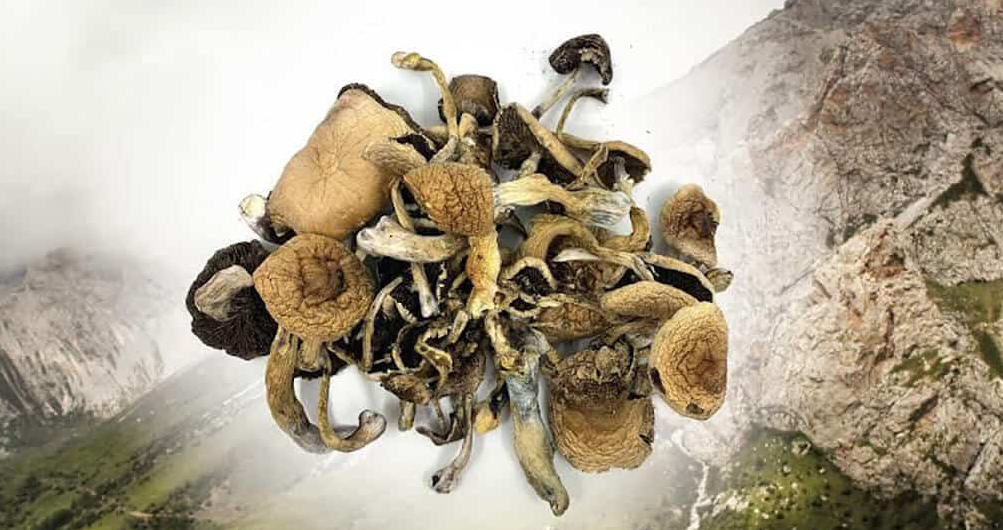
When seeking deeper therapeutic or spiritual experiences, macrodosing opens the door to introspection, healing, and transformation. Dried magic mushrooms are the traditional choice for macrodosing, offering a natural, unprocessed form of psilocybin with varying potencies and effects across strains.

Some of the most popular and trusted macrodosing strains available in Canada are:

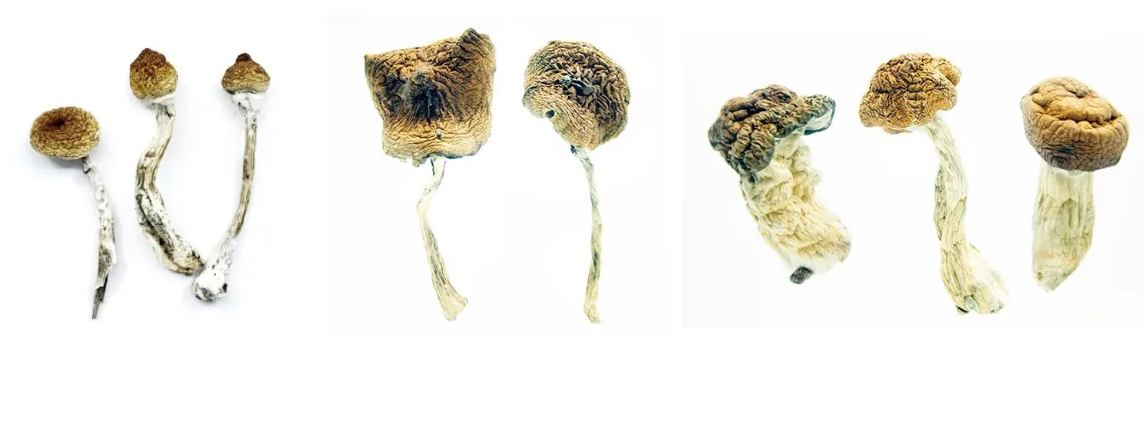
  • Golden Teacher – The classic introduction to psilocybin; known for balanced visuals, deep introspection, and gentle emotional guidance.

  • Penis Envy & Albino Penis Envy – Among the most potent strains, revered for their intense visuals, ego dissolution, and spiritual depth.

  • Blue Meanies – Renowned for strong visual effects, heightened energy, and waves of euphoria – a favorite among experienced users.

  • African Transkei – Uplifting and creative, offering bright visuals and emotional warmth – perfect for introspective yet active journeys.

  • Trinity Magic Mushrooms – A rare hybrid that blends mental clarity, visual intensity, and spiritual insight for full-spectrum macrodosing experiences.

  • Wavy Z’s & White Rabbit – Unique exotics offering colorful visuals and blissful headspaces, ideal for those exploring consciousness expansion.

Whether you’re seeking emotional release, spiritual growth, or therapeutic breakthroughs, these dried magic mushroom strains represent some of the most trusted and time-tested options for safe, meaningful macrodosing experiences.

Responsible Use Guidelines

Successful microdosing or macrodosing requires sourcing pure, accurately dosed substances from reliable sources. Starting with minimal doses, maintaining detailed journals, and having support systems in place are essential for both approaches. For macrodosing specifically, having an experienced guide and emergency protocols is highly recommended.

Who Might Benefit from Each Approach?

Microdosing Candidates

Individuals seeking cognitive enhancement, creative breakthroughs, mood stabilization, or mild anxiety reduction without disrupting their daily lives may find microdosing appealing. This approach suits professionals, artists, students, and anyone wanting to optimize performance while maintaining normal functioning.

Macrodosing Candidates

People seeking profound personal transformation, spiritual experiences, breakthrough therapy for treatment-resistant conditions, or deep emotional healing might consider macrodosing. This approach requires significant commitment to preparation, experience, and integration work.

Integration and Long-term Considerations

Successful use of either approach extends beyond the dosing experience itself. Microdosing benefits often emerge gradually and require consistent tracking to assess effectiveness. Macrodosing experiences can provide powerful insights, but these require deliberate integration practices to translate ephemeral experiences into lasting positive changes.

Making an Informed Choice

The decision between microdosing and macrodosing depends on individual goals, risk tolerance, life circumstances, and personal preferences. Microdosing offers a gentler introduction to psychedelics with lower risks but subtler effects. Macrodosing provides more dramatic results but requires greater preparation, commitment, and risk acceptance.

Conclusion

While microdosing offers subtle daily enhancement with minimal disruption, macrodosing provides profound transformative experiences requiring significant preparation and integration. Both approaches demand respect for the substances involved, thorough research, and consideration of safety factors.

Frequently Asked Questions (FAQ)

  1. What’s the main difference between microdosing and macrodosing?

    Microdosing uses very small, sub-perceptual doses for gentle enhancement, while macrodosing involves full, consciousness-altering experiences designed for deep emotional or spiritual exploration.

  2. What does a microdose feel like?

    A microdose usually produces no visual changes – users report feeling clearer, more creative, emotionally balanced, and focused throughout normal daily activities.

  3. What happens during a macrodose?

    Macrodosing can lead to vivid visual and auditory experiences, introspection, and feelings of unity or ego dissolution. The effects are intense, lasting 4-8 hours, and often require preparation and recovery time.

  4. How often can you microdose or macrodose safely?

    Microdosers often follow structured cycles (e.g., Fadiman: dose every three days; Stamets: four days on, three off). Macrodosing is done infrequently – usually monthly or a few times per year – to allow for reflection and integration.

  5. Which approach is better for personal growth?

    It depends on your goals. Microdosing supports gradual self-improvement and mood balance; macrodosing may catalyze life-changing insights and deep healing when approached with intention and safety.

  6. Can I combine microdosing and macrodosing?

    Some experienced users integrate both: regular microdosing for maintenance and occasional macrodoses for deeper breakthroughs. However, this should be done cautiously, ideally with guidance and ample recovery time between experiences.

  7. How can I ensure a safe and meaningful experience?

    Always prioritize set (mindset), setting (environment), and support (trusted guide or sitter). Start with accurate dosing, pure substances, and adequate time for integration afterward. Never use psychedelics without preparation or in unsafe environments.

psilocybin mushroom

Mushroom Grow Kits in Canada: How to Start Growing at Home

Growing fresh, gourmet mushrooms in your Canadian home has never been easier thanks to mushroom grow kits. With Mushroom Grow Kits in Canada: How to Start Growing at Home becoming increasingly popular, Canadians are discovering the joy of cultivating their own oyster, shiitake, and lion’s mane mushrooms right from their kitchens. 

These convenient kits remove the guesswork from mushroom cultivation, making it accessible for beginners while providing experienced growers with quality results.

Whether you’re looking to supplement your grocery budget, explore sustainable food production, or simply enjoy the satisfaction of growing your own food, mushroom grow kits offer an excellent starting point for home cultivation in Canada’s diverse climate zones.

Key Takeaways

  • Beginner-friendly & fast: Canadian mushroom grow kits come pre-colonized and typically fruit in 7–14 days, removing sterilization and setup guesswork.

  • Year-round growing in Canada: Indoor kits sidestep harsh winters, most varieties thrive at 60–75°F with high humidity and indirect light.

  • Top starter species: Oyster (most forgiving), shiitake (gourmet, needs steadier temps), and lion’s mane (unique texture, moderate difficulty).

  • Humidity is the make-or-break: Use a humidity tent/mister (2–3x daily), ensure light air exchange, and avoid spraying the block directly.

  • Multiple flushes = value: Rest the block 7–10 days after harvest, then resume misting; 2–3+ flushes are common with proper care.

  • Troubleshooting basics: Contamination = reduce moisture & improve cleanliness/airflow; poor pinning = raise humidity/FAE and recheck activation steps.

  • Legal & safe: Edible kits (oyster/shiitake/lion’s mane) are legal across Canada; buy from reputable suppliers and discard contaminated growth.

Why Choose Mushroom Grow Kits for Home Growing?

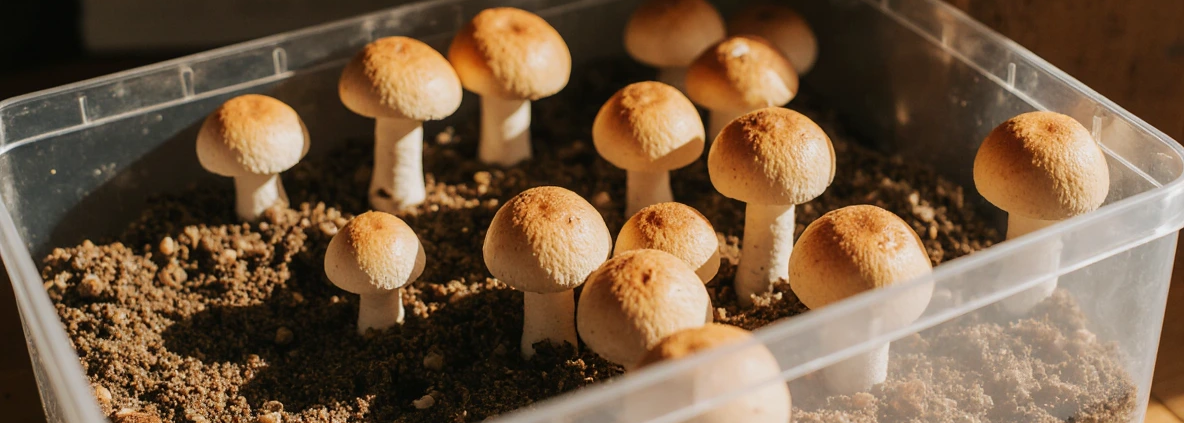
Mushroom grow kits provide several advantages over traditional psilocybin mushroom cultivation methods. These pre-prepared growing blocks contain sterilized substrate already colonized with mushroom mycelium, eliminating the complex preparation stages that typically challenge beginners.

For Canadian growers, kits offer year-round growing potential regardless of outdoor weather conditions. Unlike outdoor agriculture, indoor mushroom cultivation isn’t affected by Canada’s harsh winters or unpredictable growing seasons. Most kits produce harvests within 7-14 days of activation, providing nearly instant gratification.

Cost-effectiveness represents another compelling reason to start with grow kits. A single kit typically yields multiple harvests and can produce enough mushrooms to offset its purchase price while providing fresher mushrooms than store-bought alternatives.

Best Mushroom Varieties for Canadian Beginners

Oyster Mushrooms

Oyster mushrooms remain the most popular choice for beginner mushroom grow kit Canada enthusiasts. These hardy mushrooms tolerate temperature fluctuations well, making them ideal for Canadian homes with varying indoor climates. Oyster mushroom grow kit Canada options typically produce multiple flushes and offer mild, versatile flavors perfect for various culinary applications.

Shiitake Mushrooms

Shiitake mushroom grow kit Canada varieties provide gourmet flavors with slightly more demanding growing requirements. These mushrooms prefer consistent temperatures between 55-70°F and benefit from proper humidity management. The extra effort yields premium mushrooms with rich, umami flavors.

Lion’s Mane Mushrooms

Lion’s mane grow kit Canada options appeal to health-conscious growers seeking mushrooms with potential cognitive benefits. These unique, white, cascading mushrooms require moderate growing conditions and produce distinctive seafood-like textures when cooked.

Setting Up Your Canadian Mushroom Growing Space

Creating an appropriate growing environment for your mushroom grow kits requires minimal equipment but specific conditions. Choose a location away from direct sunlight, as mushrooms prefer indirect light or complete darkness during certain growth phases.

Temperature control proves crucial for successful cultivation. Most psilocybin mushroom varieties thrive in temperatures between 60-75°F, which aligns well with typical Canadian home heating. Basements, closets, or spare rooms often provide ideal growing environments due to their stable temperatures and humidity levels.

Humidity management represents the most critical factor for success. Canadian homes, particularly during winter heating seasons, tend to have low humidity levels that require supplementation for mushroom growing. Most grow kits include humidity tents or plastic covers, but having a spray bottle for misting proves essential.

mushrooms

Step-by-Step Guide to Using Mushroom Grow Kits

Initial Setup

Remove your mushroom grow kit from packaging and examine the growing block for any signs of contamination. Healthy mycelium appears white and fuzzy, while contamination typically shows as green, black, or unusual colored patches.

Place the growing block in its provided humidity tent or create one using a clear plastic bag. Position the setup in your chosen growing location, ensuring adequate air circulation while maintaining humidity.

Activation Process

Most grow kits require an initial soaking or scoring process to trigger mushroom formation. Follow your specific kit instructions, as methods vary between suppliers and mushroom varieties.

For oyster mushroom kits, scoring the plastic covering or making small X-shaped cuts encourages pinning (initial mushroom formation). Shiitake grow kits often require soaking in cold water for 12-24 hours before setup.

Daily Maintenance

Maintain consistent humidity by misting the inside of the humidity tent 2-3 times daily using clean, filtered water. Avoid directly spraying the growing block, as excessive moisture can cause bacterial contamination.

Provide indirect light for 12 hours daily using ambient room lighting or LED grow lights. Many Canadian homes have sufficient natural light during summer months, but winter growing may require supplemental lighting.

Monitor temperature consistently, adjusting your growing location if necessary. Canadian homes often have temperature variations between rooms, so experiment to find optimal growing spots.

Harvesting Your Homegrown Mushrooms

Harvest timing significantly impacts flavor, texture, and potential for subsequent flushes. Oyster mushrooms reach optimal harvest size when caps begin flattening but before spore release creates white dust-like deposits.

Use clean scissors or a sharp knife to cut mushroom clusters at the base, leaving the growing block intact for potential second and third flushes. Avoid pulling mushrooms, as this can damage the mycelium and reduce future harvests.

Handle harvested mushrooms gently and store them in refrigerated paper bags rather than plastic, which can cause rapid deterioration.

Troubleshooting Common Growing Problems

Contamination Issues

Green or black mold growth indicates contamination, often resulting from excessive moisture or unsanitary conditions. Remove contaminated portions immediately and improve air circulation while maintaining proper humidity levels.

Lack of Mushroom Formation

Insufficient pinning often results from inadequate humidity, temperature fluctuations, or lack of fresh air exchange. Adjust environmental conditions and ensure proper scoring or activation procedures were followed.

Slow Growth

Canadian winter conditions can slow mushroom development due to dry air from heating systems. Increase misting frequency and consider using humidifiers in growing areas during heating seasons.

Where to Buy Quality Mushroom Grow Kits in Canada

Canadian suppliers offer various mushroom grow kit options through online retailers, garden centers, and specialty stores. Research suppliers carefully, focusing on those offering fresh, properly stored kits with clear instructions and customer support.

Local garden centers increasingly stock seasonal mushroom growing supplies, particularly during fall and winter months when indoor growing peaks. Online Canadian retailers often provide broader selection and competitive pricing, though shipping timing requires consideration for kit freshness.

Maximizing Your Investment

Extend value from your best mushroom grow kits Canada by pursuing multiple flushes from each block. After initial harvest, allow the growing block to rest for 7-10 days with reduced watering, then resume regular misting cycles to encourage subsequent mushroom development.

Second and third flushes typically produce smaller but still valuable harvests. Some growers achieve 3-4 successful flushes from quality kits, significantly improving cost-effectiveness compared to single-harvest expectations.

Legal Considerations and Safety

Mushroom grow kits containing edible varieties like oyster, shiitake, and lion’s mane are completely legal throughout Canada. These kits pose no legal concerns and require no special permits or licenses for personal cultivation.

Always purchase kits from reputable suppliers to ensure proper species identification and sterile growing conditions. Avoid consuming any mushrooms that appear contaminated or show unusual growth patterns.

Conclusion

Mushroom Grow Kits in Canada offers an accessible path into sustainable food production that works year-round regardless of outdoor conditions. With proper setup, maintenance, and harvesting techniques, Canadian growers can enjoy fresh, gourmet mushrooms while developing skills applicable to expanded cultivation projects.

Start your psilocybin mushroom growing journey today by selecting a beginner-friendly oyster mushroom grow kit, setting up your growing space, and following proper cultivation practices. The satisfaction of harvesting your own mushrooms, combined with their superior freshness and flavor, makes this investment in home food production both practical and rewarding.

Ready to begin growing your own gourmet mushrooms? Browse available mushroom grow kit options from Canadian suppliers and start your home cultivation adventure today.

FAQs

1) Which mushroom kit is best for a first grow in Canada?
Start with oyster kits, they’re tolerant of temperature swings, pin reliably, and produce multiple flushes. Once you’ve got the rhythm, try lion’s mane for culinary texture or shiitake for rich umami (but needs steadier temps).

2) Where should I set up my kit in a Canadian home?
Pick a stable-temp spot (60–75°F) with indirect light and room for high humidity, think a basement shelf, spare room, or closet. Avoid direct sun, heat vents, and very dry rooms (common in winter with forced air).

3) How often do I mist, and what exactly do I mist?
Mist the inside of the humidity tent/bag 2–3 times daily to keep RH high. Do not soak the block, excess surface water encourages contamination. Provide brief daily fresh-air exchange (open for 10–30 seconds) to balance humidity with oxygen.

4) My kit isn’t pinning, what should I adjust first?
Check the activation step (scoring/cutting or cold soak per the kit). Then raise humidity, ensure indirect light ~12 hrs/day, and give brief fresh-air exchange. For shiitake, confirm you performed the required cold soak.

5) How and when do I harvest for best quality, and get more flushes?
Harvest when oyster caps flatten (before heavy spore drop), shiitake caps are open but not curled back, and lion’s mane spines elongate. Cut clusters cleanly with a sterile knife. Rest 7–10 days with reduced misting, then resume standard care to trigger the next flush.